


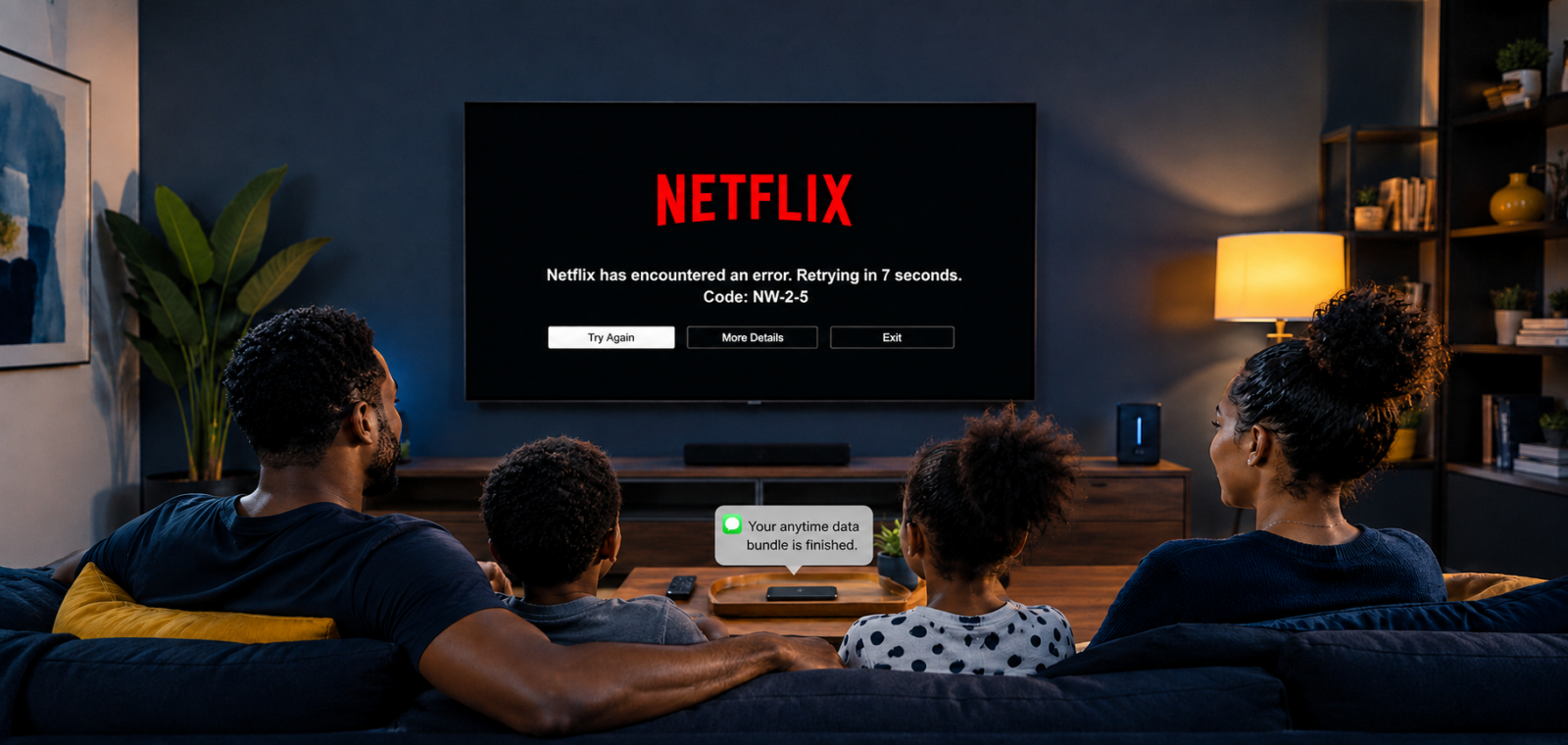
"Uncapped" and "unlimited" are package terms, not internet technologies. Both fibre and 5G providers use them, though fibre providers lean toward "uncapped" and wireless providers toward "unlimited." Neither word guarantees full speed at all times: many plans include fair usage or acceptable-use terms, and unlimited data doesn't mean unlimited speed. What matters is the fine print, not the label.
First, a correction: these are package terms, not technologies
It's a common assumption that "uncapped" means fibre and "unlimited" means 5G or LTE. That's not accurate. Uncapped and unlimited describe how a package handles data and speed. They say nothing about whether the connection arrives over a fixed fibre line or a wireless tower. You can find uncapped 5G plans and, in principle, capped fibre plans, though capped fibre is now uncommon in South Africa. The pattern in South Africa is that fibre providers overwhelmingly use "uncapped," while 5G and LTE providers usually use "unlimited", but that's a convention, not a rule, and a handful of providers use the terms differently or interchangeably.
For the technology comparison, see fibre vs 5G in South Africa. This matters because the technology (fibre vs. wireless) determines things like latency, contention and installation. The package term (uncapped vs. unlimited) determines data and speed limits. Conflating the two can lead you to compare the wrong things when choosing a plan.
What do these terms actually mean?
South Africa's Advertising Standards Authority (ASA), drawing on guidance from the Internet Service Providers' Association (ISPA), has set out how these terms are generally understood in local advertising:
| Term | What it generally means | What it does not guarantee |
|---|---|---|
| Capped | A predetermined data limit. Once reached, connectivity is cut off entirely, similar to prepaid data running out. | Any usage beyond the limit without buying more data. |
| Uncapped | No fixed monthly data limit. The connection is never fully cut off for using too much data. | Full advertised speed at all times. Providers commonly reduce (throttle) speed once a usage threshold is reached. |
| Unlimited | Minimal control measures from the provider. Generally the most expensive tier, with little to no speed interference regardless of usage. | Nothing is completely guaranteed; always confirm current terms, as "unlimited" plans can still include network management during congestion. |
In plain English: “uncapped” usually speaks to how much data you can use, while “unlimited” often suggests fewer restrictions, but neither word should be taken at face value without checking the package terms.
A few other terms worth knowing when comparing packages:
Fair Usage Policy (FUP): a rule that lets a provider manage speed or priority once you cross a usage threshold in a billing month.
Soft cap: a data threshold that triggers throttling rather than disconnection (common language on 5G/LTE plans).
Hard cap: a threshold that stops the connection outright once reached.
Throttling: an overall reduction in speed, typically applied after a usage threshold or during network congestion.
Shaping: managing specific types of traffic (like large downloads) differently, often during peak periods, rather than reducing your overall speed.
Unshaped / unthrottled: marketing terms indicating a provider does not apply shaping or throttling on standard usage. Worth confirming against the actual terms rather than the label alone.
Acceptable Use Policy (AUP): broader rules protecting the network from abuse (e.g. illegal activity), separate from data/speed management.
Infini-fi's own consumer terms define "uncapped" the same way: no predefined data limit, used in line with ISPA industry standards, and "may be subject to network management or fair usage practices".
Real examples: how "unlimited" and "uncapped" play out in practice
The clearest way to see why the label alone isn't enough is to look at how it's actually applied across South African providers:
| Package example | Commonly marketed as | What the fine print may say |
|---|---|---|
| Entry-level 5G home internet package | Unlimited or uncapped | May include a lower maximum speed, fair usage threshold or speed reduction after heavy monthly usage. |
| Higher-tier 5G home internet package | Unlimited or uncapped | May allow more high-speed data before any speed management applies, but the package is still usually tied to a specific speed tier. |
| Fixed wireless or LTE home package | Unlimited, uncapped or data-inclusive | May include soft caps, peak-time rules, throttling after a threshold or restrictions based on network conditions. |
| Standard residential fibre (most FNOs/ISPs) | Uncapped | Usually no fixed monthly data limit. However, provider terms may still allow reasonable network management in extreme cases or during network strain. |
| Infini-fi home fibre | Uncapped | No fixed monthly data limit and no overage fees on standard home use. Fair usage terms may still apply in extreme cases, so customers should check the current terms before signing up. |
This table shows why the label alone is not enough. Two packages can both say “uncapped” or “unlimited” and still work very differently once speed tiers, fair usage policies, router costs and contract terms are taken into account.
What to check before you sign up
Whether a plan is called uncapped or unlimited, ask:
Is there a Fair Usage Policy, and at what data threshold does it apply?
Is there a maximum speed tier, and which one does this specific package include?
What happens once you reach the threshold? Does the connection slow down, or stop entirely?
Does the speed stay stable during busy evening hours?
Can the connection realistically handle your household's normal daily usage?
Router cost: is it included, or do you need to buy or rent one? (5G or LTE is usually self-installed, so the router is often the main upfront hardware cost.)
For fibre, do installation or activation fees apply?
Is the monthly cost clear and inclusive, or are there extras?
Can you check coverage or signal strength at your address before signing up?
Why steady, uncapped fibre usage matters for busy homes
Home internet usage adds up quickly once you factor in multiple people and screens. An uncapped, steady connection means you're not tracking whether the kids have streamed too much, or whether one more download will trigger a slowdown. For households online across the day for work, school, streaming and smart devices running in the background, that predictability is often worth more than a headline speed number.
How Infini-fi keeps the choice clear
When comparing packages, the label matters less than what your household can actually use and what is included. Infini-fi's home fibre packages are uncapped, with no fixed monthly data limit and no overage fees for normal household use. Infini-fi's terms reserve fair-usage network management for extreme, continuous usage that could affect other customers, alongside a standard Acceptable Use Policy aimed at preventing network abuse. A free-to-use router is included with no rental fees, packages are month-to-month, and you can check fibre coverage at your address before choosing a speed.
Frequently Asked Questions
Is "uncapped" the same as "unlimited"?
Not exactly, and neither is tied to a specific technology. In South African advertising, uncapped generally means no fixed data limit but possible speed throttling after a threshold; unlimited generally implies fewer control measures, typically at a higher price. Fibre providers lean toward "uncapped" and wireless providers toward "unlimited," but this is a convention rather than a rule. Always check the actual package terms rather than relying on the label.
Do all 5G home internet plans have a fair usage policy?
Not every plan, but many do, regardless of whether they're marketed as uncapped or unlimited. A fair usage policy typically lets the provider manage speed or priority once you pass a usage threshold or during network congestion. Ask directly what threshold applies to your specific plan and what happens once you reach it.
Can I switch from 5G to fibre once fibre becomes available at my address?
Usually, yes, but check your 5G contract first. On a month-to-month plan you can typically cancel once fibre is live. On a fixed-term contract, early cancellation fees or remaining contract costs may apply. Confirm the terms before choosing a fibre start date so you're not paying for two connections longer than necessary.
Which is more reliable for a household that works from home or has multiple people online at once?
Uncapped fibre is generally the more reliable option for busy households, since it isn't affected by tower congestion or how many other users are on the same wireless network. 5G can perform well in areas with strong coverage and light network load, but its performance depends on factors outside your home that fibre isn't exposed to in the same way.
Ready for the next step?
Find a deal that suits your lifestyle, or head back to the Knowledge Hub for more fibre help, FAQs and practical advice.